
How to Wear Latex Clothing: A Complete Guide
Latex clothing has a distinctive appearance, close fit and feel unlike conventional fashion materials. Wearing it successfully depends on choosing the correct size, preparing both yourself and the garment, dressing carefully and looking after the latex correctly after wear.
Whether you are wearing latex for the first time or already have experience with the material, understanding how it behaves makes dressing easier and helps protect your garments. This guide explains why people wear latex clothing, how it should fit, how to put it on and take it off safely, and the important precautions to follow while wearing it.
Why Do People Wear Latex?
People wear latex clothing for many different reasons. Its smooth surface, close fit and ability to follow the contours and construction of a garment give latex a distinctive appearance that is difficult to reproduce with conventional fashion materials.
Latex also offers considerable creative freedom. Different colours, contrasting trims, translucent finishes and carefully engineered panels can transform the character of a design, allowing the material to be used for everything from minimalist dresses and separates to highly structured corsetry and statement fashion.
The material has longstanding associations with alternative culture and has also become increasingly visible in contemporary fashion, music, performance and popular culture. For many wearers, however, the attraction is simply personal style: they enjoy the appearance, feel and individuality of wearing latex.
Westward Bound has worked with latex for more than three decades, designing, pattern-cutting and individually handcrafting garments at our workshop in Plymouth, Devon. Our experience has shown that how a latex garment is designed, fitted and worn is just as important as the material itself.
For a broader exploration of the material's cultural development, read our Latex: A Cultural and Social History guide.
Customer photograph: Evil Woman wearing Westward Bound latex in Saska Kępa, Warsaw, Poland.

How Should Latex Clothing Fit?
Latex clothing is designed to fit close to the body, but that does not mean you should automatically choose a smaller size.
Westward Bound Standard Sizes are based on body measurements rather than the dimensions of the finished garment. The natural stretch of latex and the intended close fit are already considered within our pattern cutting and garment construction.
A garment that is too large may not follow the body or design lines as intended, while one that is too small can be uncomfortable and may be subjected to unnecessary strain when being put on or removed. Excessive pulling and stretching can also increase the risk of damaging the latex.
Take your measurements close to the body using a flexible fabric tape measure without pulling the tape tightly against the skin. Select the Standard Size closest to your actual measurements rather than sizing down in an attempt to achieve a closer fit.
For customers requiring a garment made to their individual measurements, we also offer our Tailored for You – Bespoke service.
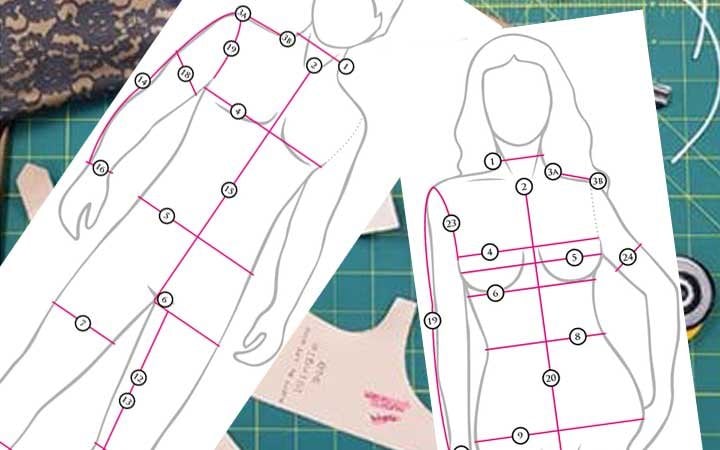
For Standard Size charts, international size conversions and illustrated measuring instructions for women and men, refer to our Latex Clothing Size & Measuring Guide.
How to Prepare for Wearing Latex Clothing
Preparing yourself and the garment before dressing makes close-fitting latex much easier to put on and reduces unnecessary friction.
Keep your skin clean and dry. Avoid applying oils, oil-based creams or similar products before dressing, as oil-based substances can damage natural rubber latex.
A suitable dressing aid can make the garment easier to position over the body. Use pure, unscented talcum powder where appropriate, or a suitable silicone-based latex dressing aid such as Rub-Her Shiner / Easy Dresser.
Do not use talcum powder and silicone dressing aid together, as the combination can form an unwanted residue. When dressing in transparent or translucent latex, a suitable silicone dressing aid may also be preferable to powder because powder can remain visible through the material.
Customer video: Miss Vivienne L'Amour demonstrates dressing in Westward Bound latex clothing in Derby, England.

How to Put On Latex Clothing
Getting into close-fitting latex clothing requires patience and careful handling. Trying to pull a garment rapidly into position can place unnecessary strain on the material and make correct positioning more difficult.
Before dressing, identify the front and back of the garment and make sure any seams are correctly aligned. For leggings, catsuits and other close-fitting garments, it can help to gather or gently roll sections of the garment in a similar way to putting on tights.
Gradually unroll and position the latex over the body rather than pulling from the upper edge of the garment. Work progressively, smoothing and adjusting the material as you go and checking that seams remain correctly positioned rather than becoming twisted.
Using your hand between the skin and latex can help distribute the material and allow it to move into position. Avoid pinching the latex between your fingertips or pulling sharply at a small area, as concentrating force on one point increases the risk of damage.
Try to position the garment correctly before the latex settles closely against the skin. Once trapped air has been expelled and the material is sitting closely against the body, further adjustment can become more difficult.
Some Westward Bound leggings and catsuits with enclosed feet incorporate carefully positioned air holes in the soles. These allow trapped air to escape as the garment is put on, helping the latex settle correctly around the legs and feet.
Once the garment is comfortably positioned, a suitable latex polish can be applied where required to create the characteristic high-shine finish.
What Should You Avoid When Wearing Latex Clothing?
Natural rubber latex is durable when handled correctly, but its surface can be damaged by sharp objects, unsuitable substances and certain environmental conditions.
Take particular care with jewellery, watches, long or sharp fingernails and other objects that could catch or puncture the material. When adjusting a garment, use the flat of your fingers or hands wherever possible rather than pinching the latex between fingernails.
Avoid contact with oil and oil-based products. Care should also be taken to prevent latex from coming into contact with copper, brass and bronze, which can stain the material. This includes indirect transfer after handling these metals.
Latex should also be protected from unnecessary heat and prolonged exposure to strong light. These precautions help preserve the appearance and condition of the material.
Model Maika Kamisusaki wearing the Westward Bound Fem-Lambaste Latex Dress while preparing for the Fetish Ball in Berlin, Germany. Photography by Nikdesign, Sweden.
How to Take Off Latex Clothing Safely
Removing latex requires the same patience and careful handling as putting it on. Avoid pulling or tugging the garment from one edge, especially if the latex sits close to the skin.
When possible, gently slide your hand between the latex and your skin to break the close contact. Gradually roll or ease the garment away from the body, working progressively rather than concentrating force on one area.
Take particular care around narrow openings, seams, zips and other fitted areas. Continue easing the garment away from the body until you can remove it without excessive stretching or pulling.
Once removed, clean the garment before preparing it for storage.
Caring for Latex Clothing After Wear
Correct cleaning and storage help preserve the appearance, condition and lifespan of natural rubber latex clothing. Dressing aids, perspiration and other residues should be removed after wear, and the garment should be thoroughly dried before storage.
Our dedicated How to Care for Latex Clothing: Cleaning, Storage & Polishing guide explains the complete Westward Bound process, including washing, drying, polishing and storing latex clothing and the products and substances that should be avoided.
Explore Westward Bound Latex Clothing
For more than three decades, Westward Bound has designed and handcrafted latex clothing for women and men. Every garment begins as an original Westward Bound design, then is developed, pattern-cut, individually handcrafted, and finished by our specialist team at our workshop in Plymouth, Devon, England.
Working entirely in-house gives us direct control over garment development, construction, fit and finishing, while allowing customers to choose from an extensive collection of original latex designs, Standard Sizes and Tailored for You – Bespoke production.

Women's Latex Clothing
Our Women's Latex Clothing collection includes designs ranging from dresses, catsuits, and corsetry to lingerie, skirts, tops, stockings, and distinctive statement pieces.
Each design is developed around its individual silhouette and construction rather than treating latex simply as a close-fitting material. Different colours, contrasting trims, and design details allow many garments to be personalised, creating markedly different looks while retaining the design's original character.
Models Daisy Jo and Cat Schrodinger wearing Westward Bound latex fashion in California, USA. Photography by Same Source.

Men's Latex Clothing
Our Men's Latex Clothing collection brings the same approach to original design, pattern cutting and specialist latex construction across a diverse range of menswear.
Explore Men's Latex Trousers, Jeans & Leggings, Latex Corsets & Kilts, Latex Jackets and other designs created and individually handcrafted by Westward Bound in England.
Customer photograph: Martin wearing the Westward Bound Buckle Latex Vest Top with black latex gloves in Zurich, Switzerland.